If you have Korean friends on KakaoTalk, their messages can look confusing. You studied Korean for months. But ‘ㅋㅋㅋ’, ‘ㅇㅇ’, and ‘ㄱㄱ’ still feel like noise. These are not typos. They are Kakao chat abbreviations that Koreans use all the time. Think of them like ‘lol’ or ‘haha’ in English. Once you learn these abbreviations, Korean texts feel much more natural.
The Most Common Kakao Chat Abbreviations
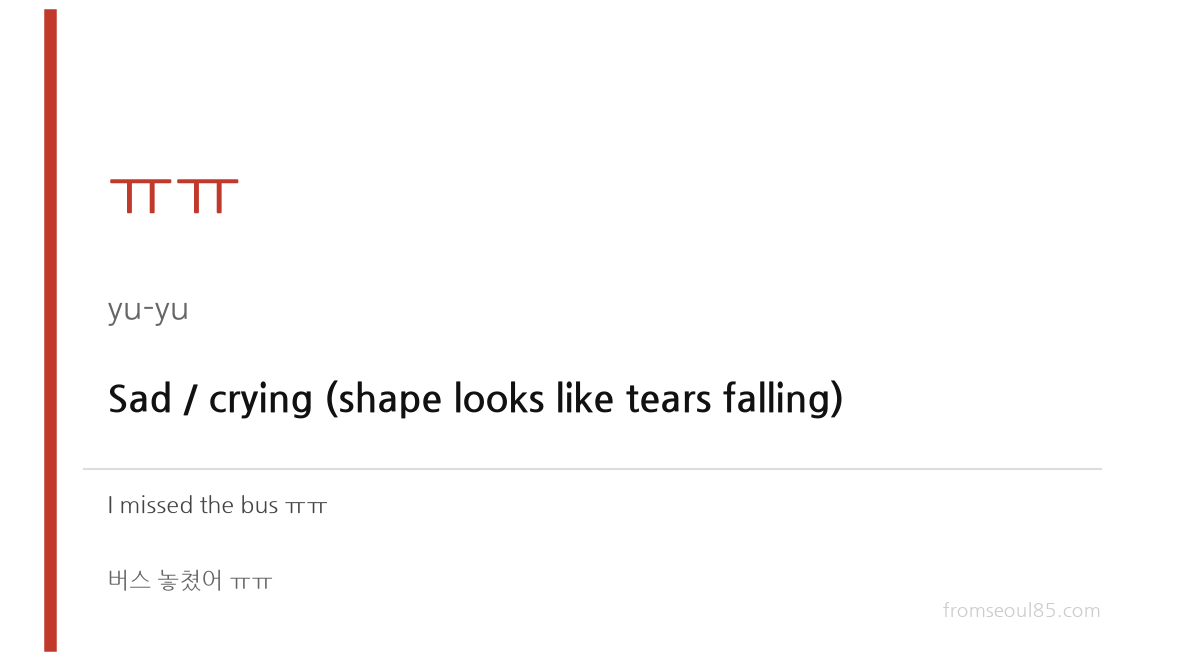
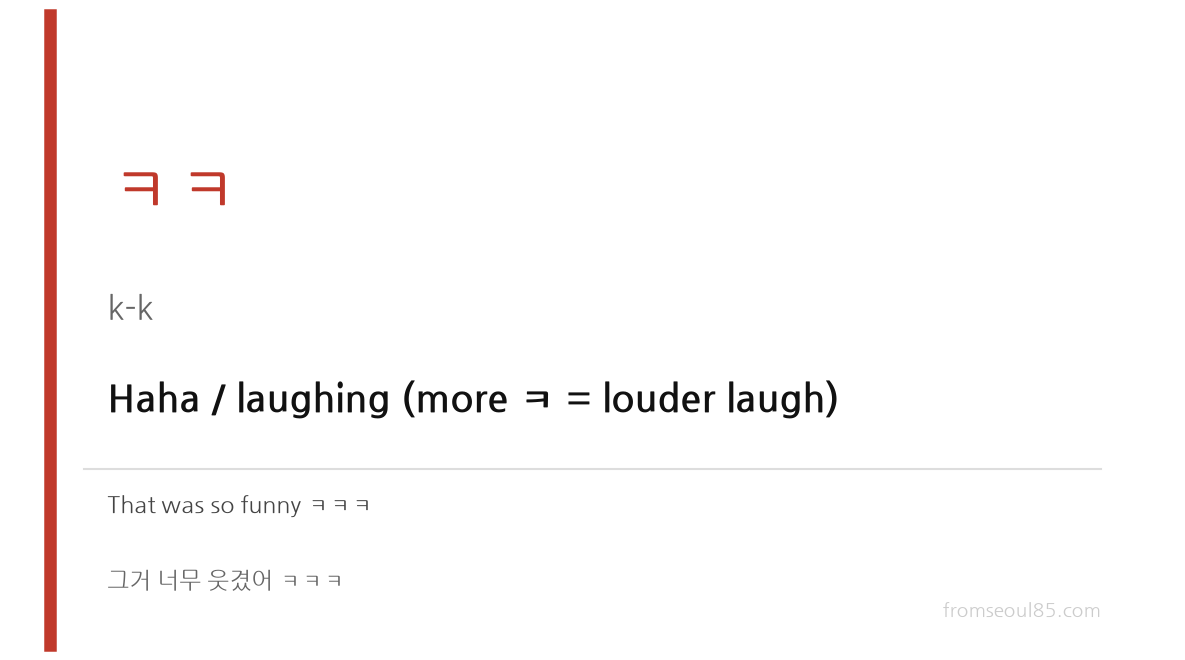
Let’s start with the most common ones. ‘ㅋㅋ’ (k-k) means laughing, like ‘haha’ or ‘lol’ in English. The more ㅋ’s you add, the harder the laugh. I use ㅋㅋㅋ a lot, often with many ㅋ’s. For me, a long ㅋㅋㅋㅋㅋ means something is really funny. ‘ㅎㅎ’ (h-h) feels different to me. I use it as a softer, more polite smile. It is close to a gentle ^^ eye-smile. Sometimes it just means ‘I’m not upset.’ ‘ㅠㅠ’ (yu-yu) shows sadness, like eyes crying. And ‘ㅇㅇ’ (eu-eu) simply means ‘yeah’ or ‘okay’. People my age use these all the time. I’m not sure what teenagers use these days. These few alone cover a lot of casual Korean chat.

Action Abbreviations: ㄱㄱ, ㄴㄴ, ㅈㅅ, ㅊㅋ
Now let’s look at action abbreviations. ‘ㄱㄱ’ (g-g) comes from 고고 (go-go — let’s go). To me, it suggests doing something positive together. It can mean ‘Should we?’, ‘Shall we go?’, or ‘Let’s start.’ ‘ㄴㄴ’ (n-n) comes from 노노 (no-no — nope) and means ‘no way’. ‘ㅈㅅ’ (j-s) is short for 죄송 (joe-song — sorry). And ‘ㅊㅋ’ (ch-k) is short for 축하 (chu-ka — congratulations). In my experience, these feel more casual than the full forms. Using them with close friends feels totally normal.
Abbreviations From Full Words
Some abbreviations come from full words squeezed down. ‘ㅂㅂ’ (b-b) is from 바이바이 (ba-i-ba-i — bye bye). ‘ㅇㅋ’ (eu-k) comes from 오케이 (o-ke-i — okay), borrowed from English. ‘ㄷㄷ’ (d-d) is from 덜덜 (deol-deol — shaking). It describes shaking from cold, fear, or shock. Younger Koreans use these more than older people. In my experience, parents often find this slang hard to follow. Some learn it from their kids and start using it. But most people my parents’ age don’t really use it.

Context Matters More Than the Letters
One thing needs care: context matters a lot. ‘ㅋㅋ’ after a compliment feels warm. When a friend makes a mistake, I judge by how close we are. If we are close enough to laugh together, I use ㅋㅋ. If we are not that close, I comfort them instead. ‘ㅠㅠ’ from a close friend feels cute. From a stranger, it might feel awkward. This is my personal experience. Other Koreans may see it differently. My advice: watch how your Korean friends use these first. Copy their style before making your own.
The Fastest Way to Learn Kakao Chat Abbreviations
Learning these Kakao chat abbreviations takes time. But the fastest way is simple. Use KakaoTalk with real Koreans every day. Watch what they send. Ask when you are confused. Here is my advice: send a friend a long ㅋㅋㅋㅋㅋ. They might reply with high energy. Something like ‘왜 ㅋㅋㅋ what happened?!’ Don’t be shy. Just try it. Personally, I think this slang shows the real character of Korean culture. It is playful, warm, and constantly changing. That is what makes it exciting to learn.
Written by a native Korean speaker born in Seoul in 1985. This is my personal experience. Other Koreans may see things differently.
Key Expressions
ㅋㅋ (k-k — Haha / laughing (more ㅋ = louder laugh))
That was so funny ㅋㅋㅋ
그거 너무 웃겼어 ㅋㅋㅋ
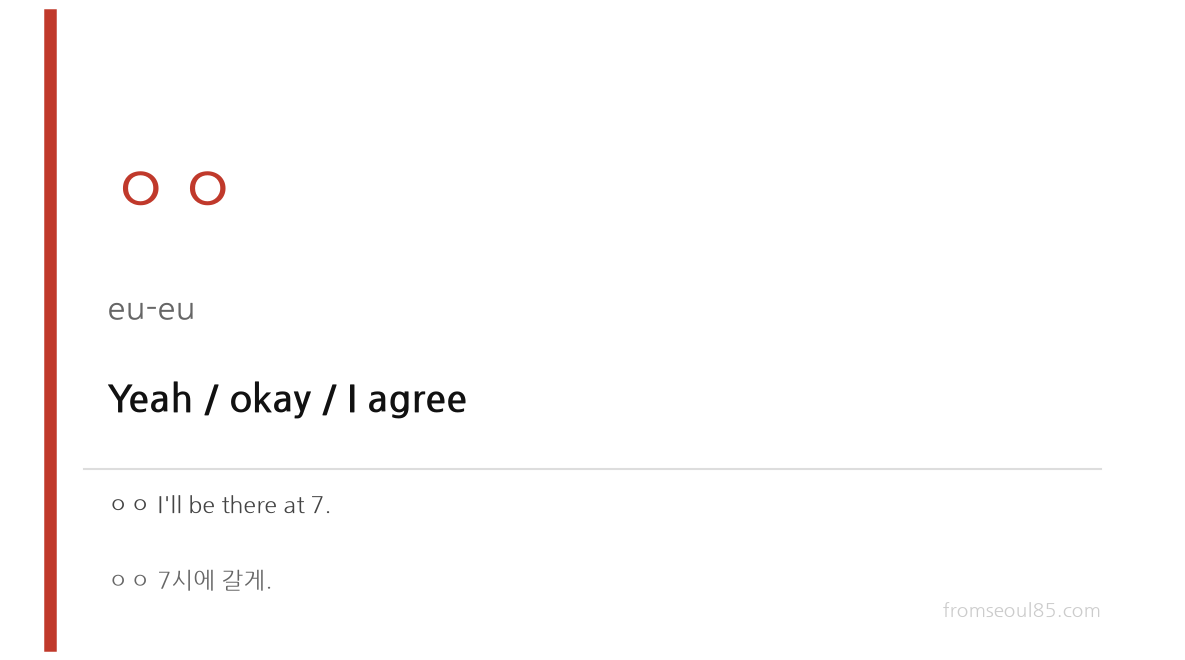
ㅇㅇ (eu-eu — Yeah / okay / I agree)
ㅇㅇ I’ll be there at 7.
ㅇㅇ 7시에 갈게.
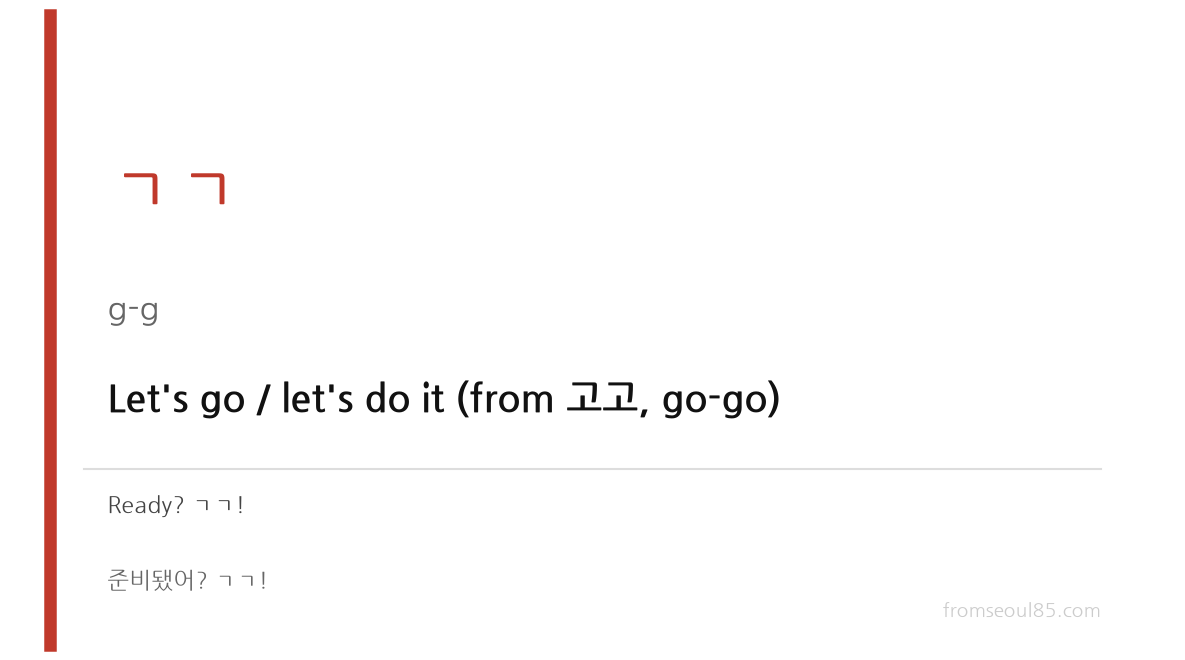
ㄱㄱ (g-g — Let’s go / let’s do it (from 고고, go-go))
Ready? ㄱㄱ!
준비됐어? ㄱㄱ!
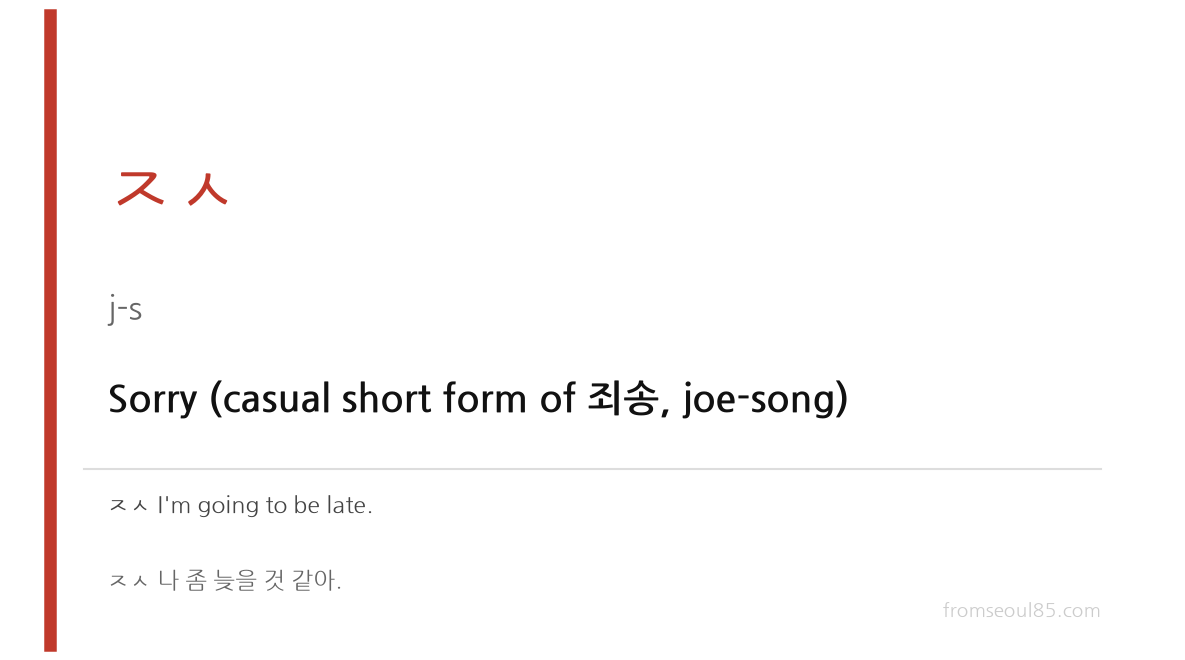
ㅈㅅ (j-s — Sorry (casual short form of 죄송, joe-song))
ㅈㅅ I’m going to be late.
ㅈㅅ 나 좀 늦을 것 같아.
ㅠㅠ (yu-yu — Sad / crying (shape looks like tears falling))
I missed the bus ㅠㅠ
버스 놓쳤어 ㅠㅠ