Two Ways to Count in Korean
Korean has two completely different ways to count.
One system came from Chinese. The other is native Korean.
Both are used every single day. This confuses almost every beginner.
Trust me, I get it.
Here is the part that surprises learners most.
The two systems are not interchangeable. You cannot just pick one.
Picture ordering ice cream at a shop.
“아이스크림 하나 주세요 (a-i-seu-keu-rim ha-na ju-se-yo — one ice cream, please)” works.
“아이스크림 한 개 주세요 (han gae — one item)” works too.
But “일 개 (il gae)” sounds wrong to us. 일 is Sino-Korean.
For counting things, you need native numbers, not Sino-Korean ones.
Sino-Korean Numbers: The Printed World
The first system is 한자어 수 (han-ja-eo su — Sino-Korean numbers).
These came from Chinese and sound a little formal.
You use them for dates, money, phone numbers, and minutes.
So when it is 3:45, the “45 minutes” uses this system.
Honestly, I cannot remember learning this in school.
It just settled in naturally as I grew up.
A teacher probably taught it. But it became automatic.

Native Korean Numbers: The Spoken World
The second system is 순우리말 수 (sun-u-ri-mal su — native Korean numbers).
These are older and feel natural in daily speech.
You use them for objects, people, and hours on a clock.
So in that same 3:45, the “3 o’clock” uses native numbers.
You say “세 시 (se si — three o’clock)” but “사십오 분 (sa-sip-o bun — forty-five minutes).”
Why the split? Here is a common explanation.
Long ago, the day followed a simple twelve-part system.
Small native numbers handled that just fine.
Later, clocks split time into sixty minutes.
Saying “쉰아홉 (swin-a-hop — fifty-nine)” felt long and clumsy.
The shorter Sino-Korean “오십구 (o-sip-gu — fifty-nine)” won for minutes.
This is one common story. Other Koreans may explain it differently.
Native Numbers Stop at 99
Here is the tricky part. Native Korean numbers stop around 99.
After that, you switch to Sino-Korean.
There is actually a native word for 100, 온 (on — hundred).
But almost no Korean uses it today.
Ask a Korean for native 100 and many will pause.
So do not stress about big native numbers.
In daily life, you rarely count objects past 99.
For most beginner moments, native one to ninety-nine is enough.
This is my personal experience. Other Koreans may see it differently.

A Simple Way to Remember
Here is a tip that helped my non-Korean friends.
Think of Sino-Korean as the printed world.
Prices, dates, schedules — the formal stuff.
Think of native Korean as the spoken world.
Two coffees, your age, the hour — everyday talk.
Younger Koreans might disagree, but this rough split helps beginners.
Just Practice and Ask
The best way to get comfortable is simple practice.
Try reading prices at a Korean online store.
Try saying the time out loud in Korean.
Getting it wrong is useful too.
Mixing up the two systems is something every learner does.
And if you are unsure, just ask a Korean.
Say “이거 맞아요? (i-geo ma-ja-yo? — is this right?)” and they will help.
We will not laugh at your mistakes. Really, do not worry.
Soon, counting in Korean will feel natural. Keep going.
Key Expressions
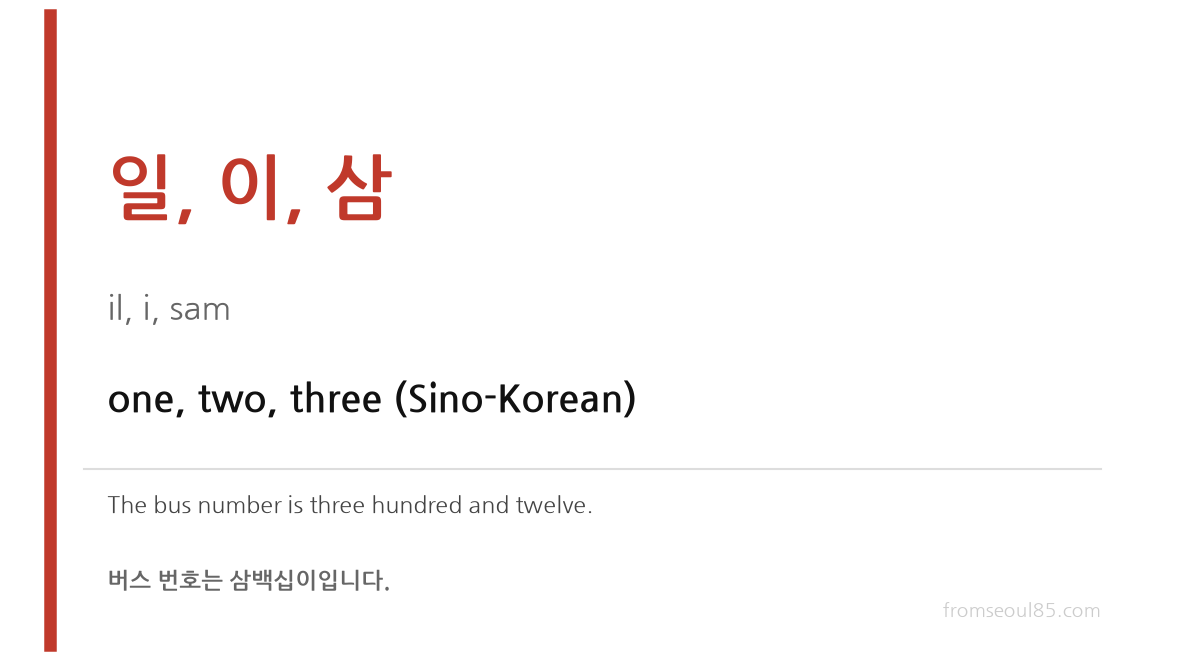
일, 이, 삼 (il, i, sam — one, two, three (Sino-Korean))
The bus number is three hundred and twelve.
버스 번호는 삼백십이입니다.
 하나, 둘, 셋 (ha-na, dul, set — one, two, three (native Korean))
Please give me two coffees.
커피 두 잔 주세요.
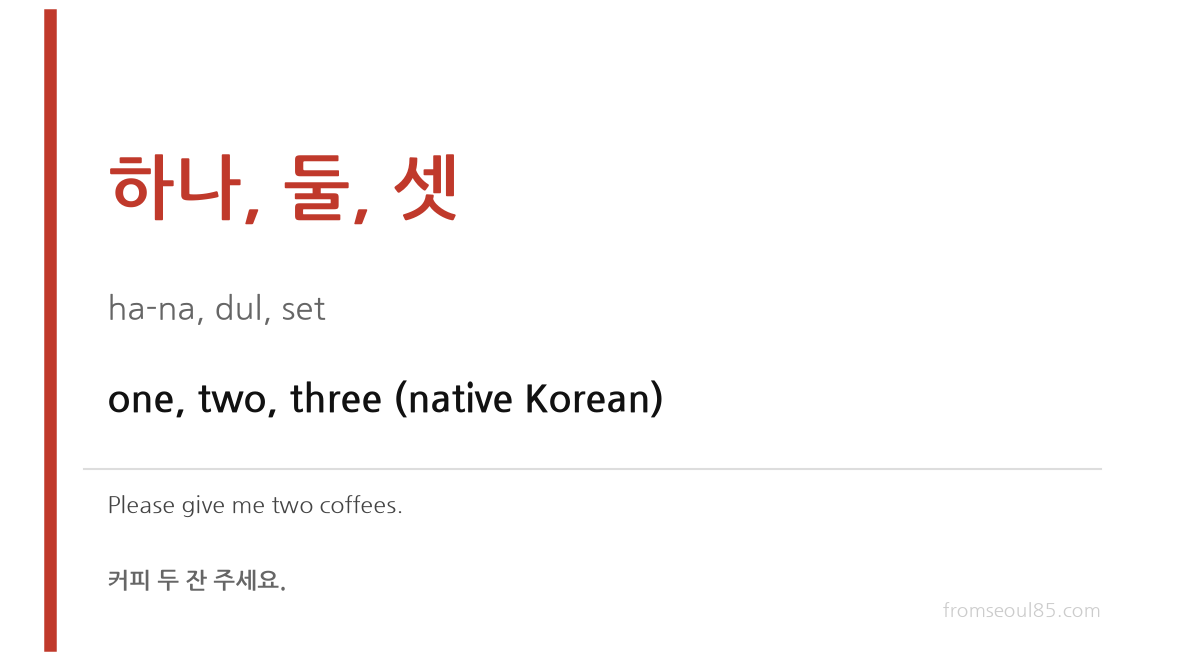 몇 시예요? (myeot si-ye-yo? — What time is it?)
What time is it right now?
지금 몇 시예요?
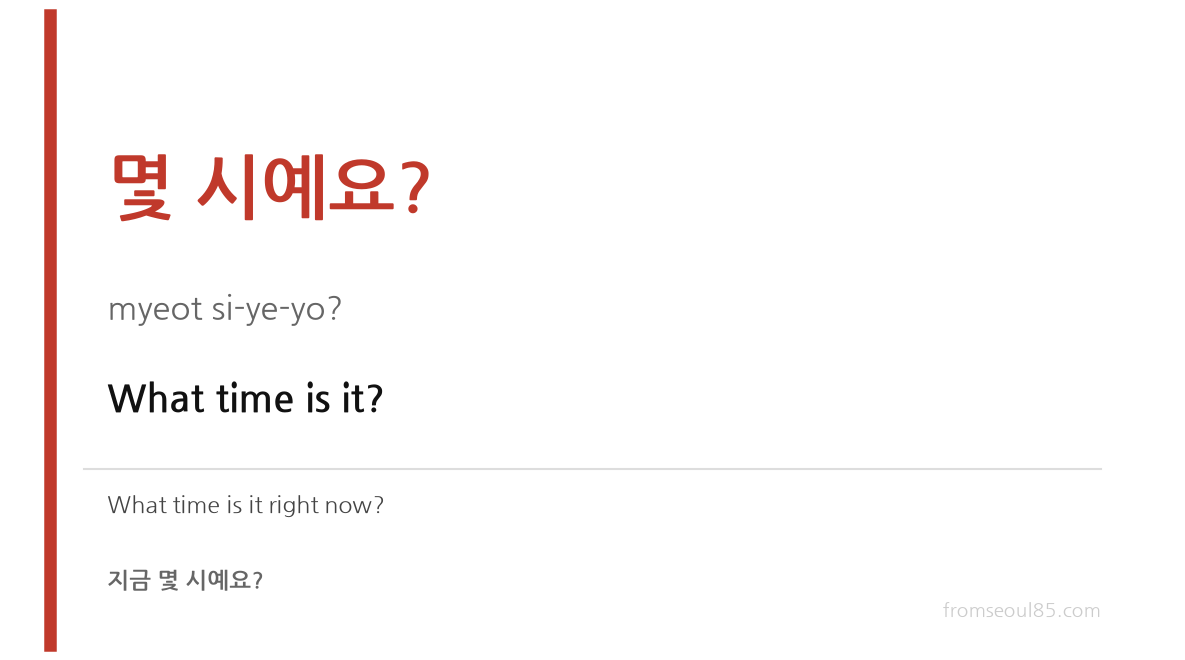 세 시 삼십 분 (se si sam-sip bun — 3:30, three thirty (native for hours, Sino-Korean for minutes))
The meeting starts at three thirty.
회의는 세 시 삼십 분에 시작합니다.
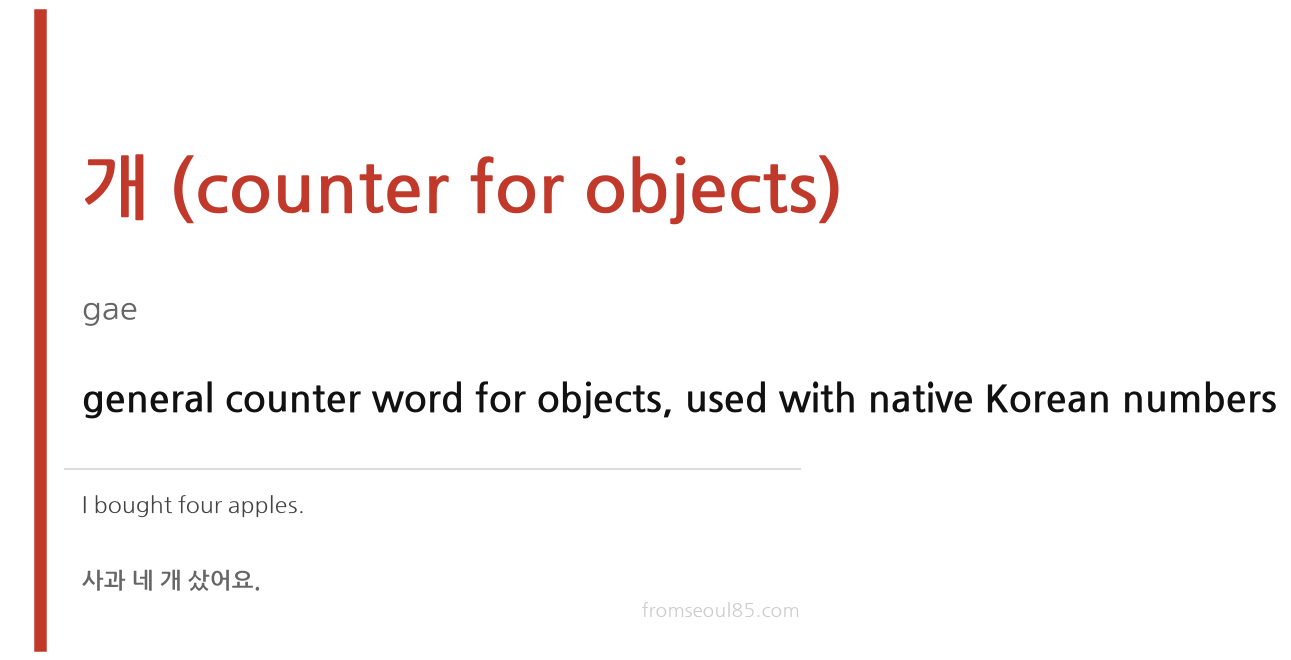
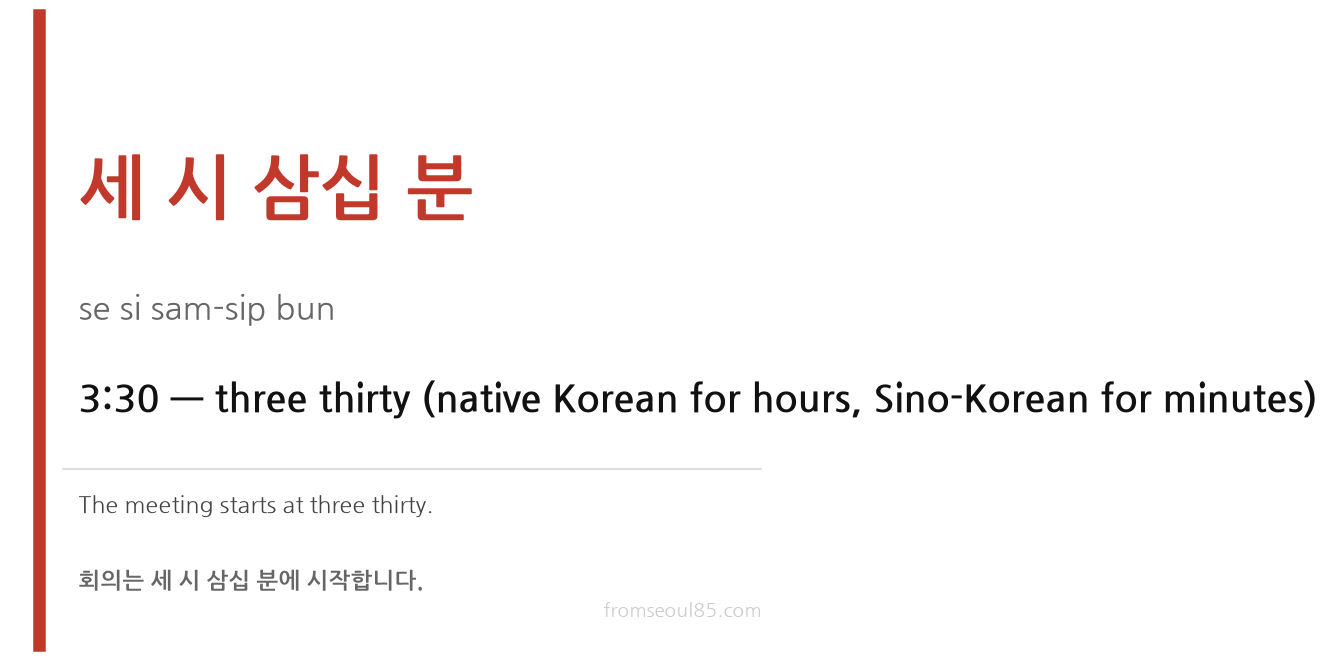 네 개 (ne gae — four items (counter 개 used with native numbers))
I bought four apples.
사과 네 개 샀어요.
 Written by a native Korean speaker born in Seoul in 1985. This is my personal experience. Other Koreans may see things differently.